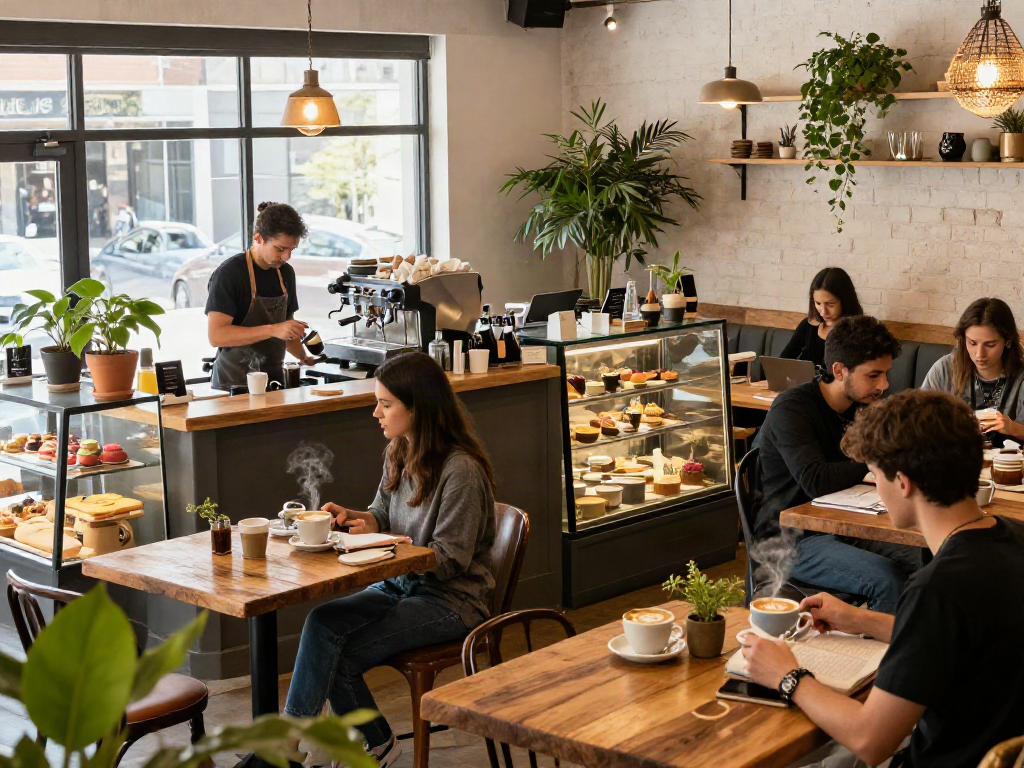
Understanding the Rokok88 Coffee Market
The Rokok88 coffee market is experiencing a dynamic evolution as coffee culture continues to grow globally. This sector is characterized by its diversity in flavors, preparation methods, and consumer preferences. Understanding the nuances of the Rokok88 market is essential for anyone looking to engage with coffee enthusiasts or invest in this rewarding industry. One of the essential resources for this exploration is rokok88, where insights on current trends and emerging preferences are readily available.
Current Trends and Preferences in Coffee Consumption
Recent data has shown a marked shift in coffee consumption patterns. Consumers are increasingly gravitating towards specialty coffees, which are recognized for their unique flavor profiles and artisanal preparation methods. This shift is partly driven by a younger demographic that values high-quality, ethically sourced coffee. Moreover, the rise of remote work has led to a greater appreciation for home brewing, prompting a surge in coffee equipment sales, particularly espresso machines and pour-over kits.
Key Demographics of Coffee Lovers
The coffee market is diverse, but certain demographics stand out. Millennials and Gen Z are two of the most influential consumer groups, often leading the movement towards sustainability and quality. These consumers are not just looking for caffeine; they are searching for experiences and stories behind their coffee. This trend has spurred a demand for transparency in sourcing and roasting practices, making it essential for brands to effectively communicate their values and origins.
Impact of Global Coffee Prices on Local Markets
Global coffee prices are susceptible to fluctuations due to various factors, including climate change, political instability, and economic shifts in producing countries. These price changes can significantly impact local markets, affecting everything from the cost of raw beans to the final price consumers pay. As prices rise, consumers may turn to more affordable options, potentially impacting sales of premium brands. Additionally, local cafés and roasters need to navigate these changes carefully to maintain profitability while delivering quality products.
Challenges Facing the Rokok88 Coffee Industry
Supply Chain Issues Affecting Quality
One of the pressing challenges in the Rokok88 coffee industry is the supply chain disruptions caused by global events. Inefficiencies can lead to delays in sourcing high-quality beans, affecting not only availability but also the integrity of the product. Local roasters and businesses must develop robust relationships with farmers and suppliers to ensure consistent quality and supply. Innovative logistics solutions, like direct trade, are becoming increasingly important in addressing these challenges.
Environmental Concerns and Sustainability Practices
As awareness of environmental issues grows, sustainability has become paramount within the coffee industry. Practices such as shade-grown coffee cultivation and organic farming are gaining traction, reflecting consumer preferences for eco-friendly options. Brands committed to sustainable sourcing can differentiate themselves in a crowded market, appealing to the environmentally-conscious consumer. Adopting certifications like Fair Trade or Rainforest Alliance can further bolster a brand's reputation and marketability.
Adapting to Consumer Demand for Specialty Coffee
The demand for specialty coffee continues to rise, with consumers seeking unique flavors, single-origin beans, and innovative brewing methods. This trend challenges traditional coffee businesses to adapt and innovate. Educational initiatives, such as cupping sessions and coffee tastings, are essential for businesses to engage consumers and promote appreciation for specialty varieties. Roasters must also refine their offerings based on customer feedback to stay competitive.
Innovative Brewing Methods Shaping Rokok88 Experiences
Exploring New Coffee Extraction Techniques
Innovation in coffee brewing techniques is reshaping how consumers experience coffee. Methods such as cold brew, nitro coffee, and Siphon brewing are gaining popularity, offering distinct flavors and textures. These methods not only enhance the drinking experience but also allow baristas to showcase their skills, contributing to the overall coffee culture. Exploring new techniques can attract coffee connoisseurs eager to broaden their palates.
Popular Coffee Preparation Equipment and Tools
The rise of home brewing has led to an increased interest in coffee preparation equipment. Items such as manual grinders, pour-over drippers, and espresso machines are now staples in many households. Brands that provide high-quality, user-friendly equipment are seeing growth as more consumers invest in their coffee-making skills. Tutorials and workshops can further enhance consumer engagement, solidifying brand loyalty.
Barista Training Trends for Skill Development
With the growing complexity of coffee preparation methods, barista training has become critical. Comprehensive training programs not only enhance the skills of baristas but also positively impact the consumer experience. Training sessions that cover everything from the science of brewing to customer service are increasingly popular among coffee shops. Investing in barista education fosters a knowledgeable workforce that can adapt to evolving consumer demands.
Marketing Strategies for Rokok88 Coffee Brands
Engaging Social Media Strategies for Coffee Businesses
In the digital age, social media serves as a pivotal marketing tool for coffee brands. Engaging content—like brewing tutorials, behind-the-scenes looks, and user-generated content—can cultivate a loyal online community. Brands that effectively leverage platforms such as Instagram and TikTok can create buzz around their products, driving both foot traffic to local shops and e-commerce sales.
Building Community Around Coffee Culture
Creating a sense of community is vital for coffee businesses. Hosting events like coffee tastings, barista competitions, and educational workshops can foster customer loyalty and enhance the brand experience. Collaborating with local artists or musicians can also attract diverse crowds, enriching the coffee culture in the area and promoting cross-industry partnerships.
Leveraging Influencer Partnerships in the Coffee Space
Influencer marketing remains a powerful strategy for coffee brands looking to reach new audiences. Engaging with coffee enthusiasts and influencers who resonate with the target demographic can amplify brand visibility and credibility. Successful collaborations often involve influencers creating authentic content that showcases the brand's unique offerings, which can significantly impact purchasing decisions.
Future Predictions for the Rokok88 Coffee Marketplace
Emerging Coffee Trends and Consumer Preferences
The future of the Rokok88 coffee market appears vibrant, with several emerging trends shaping its trajectory. Consumers are likely to continue prioritizing sustainability and unique flavor experiences. Additionally, the trend towards health-conscious coffee options, including low-acid and functional coffees that may incorporate adaptogens or nootropics, is expected to gain momentum.
Technology's Role in Coffee Production and Distribution
Advancements in technology are set to revolutionize coffee production and distribution. From blockchain technology enabling traceability to AI-driven analytics optimizing supply chains, the integration of tech solutions will likely increase efficiency and transparency. Embracing these innovations can help coffee brands stay competitive and meet consumer expectations for ethical sourcing and quality.
Anticipated Changes in Global Coffee Supply and Demand
As climate change continues to impact coffee-growing regions, the global supply of coffee is expected to fluctuate. This presents both challenges and opportunities for the Rokok88 market. Brands that can adapt quickly by diversifying their sourcing and investing in resilient growing practices will position themselves advantageously in this changing landscape.
What Are the Health Benefits of Coffee Consumption?
Coffee consumption has been linked to several health benefits, including reduced risks of certain diseases and improved cognitive function. Research suggests that moderate coffee consumption may lower the risk of type 2 diabetes and certain neurodegenerative diseases. Educating consumers about these benefits can enhance their appreciation for coffee beyond its flavor, promoting a healthier lifestyle.
How Do Different Roasting Techniques Impact Flavor?
Roasting techniques play a crucial role in shaping the flavor profile of coffee. Lighter roasts tend to preserve more of the original bean's characteristics, while darker roasts develop deeper, more caramelized flavors. Understanding these differences allows consumers to make informed choices based on their flavor preferences and can drive sales of specific roast types.
What Role Does Sustainability Play in the Coffee Industry?
Sustainability is becoming a cornerstone of the coffee industry, influencing sourcing, production, and consumer preferences. Sustainable practices not only help fight climate change but also enhance the quality of coffee by promoting better farming techniques. Brands committed to sustainable practices often connect more deeply with consumers, building a loyal customer base that values ethical consumption.
How Can Small Coffee Shops Compete with Large Chains?
Small coffee shops can excel against large chains by focusing on quality, unique offerings, and personalized service. By emphasizing their local roots, fostering community connections, and offering distinctive beverages, small cafés can create an experience that large chains often lack. Moreover, leveraging their agility to adapt quickly to trends can provide a significant competitive edge.
What Innovations Are on the Horizon for Coffee Brewing?
Innovation in coffee brewing is poised to continue with the introduction of new technologies and methods. From smart coffee machines that customize brews based on consumer preferences to advancements in brewing techniques that highlight flavor nuances, the future looks bright. Keeping abreast of these innovations can provide coffee businesses with opportunities to enhance their offerings and attract new customers.